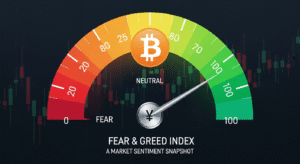
Crypto trading is attracting many novices eager to profit from digital assets. Crypto Trading for Beginners is all about understanding how to buy, sell, and swap cryptocurrencies safely. This guide covers the essentials you need to get started with crypto markets. We explain key concepts, practical steps, and proven strategies, citing expert insights and authoritative sources to keep the information accurate and trustworthy.
Overview: Crypto Trading for Beginners
| Category | Key Insights & Recommendations |
|---|---|
| Getting Started |
• Learn basics first: Blockchain, wallets, exchanges • Choose reliable platforms: Binance, Coinbase, Kraken • Start small: Never invest more than you can afford to lose • Practice first: Use demo accounts before real trading |
| Profitability Reality |
HIGH RISK • Profits are possible but NOT guaranteed • Extreme volatility means big gains OR big losses • Expert advice: “Only invest what you can afford to lose” • Many traders lose money – skill and patience required |
| Trading Strategies |
Day Trading Quick gains, constant monitoring required Swing Trading Hold days/weeks, less monitoring HODL Long-term buy & hold approach Dollar-Cost Averaging Regular fixed investments |
| Futures Trading |
EXPERT LEVEL • Contracts to buy/sell at future prices • Leverage available but amplifies losses too • Can profit in rising AND falling markets • Start with spot trading first |
| Trading Bots |
USE CAREFULLY • Popular options: Cryptohopper, Pionex, 3Commas • Remove emotional bias, run 24/7 • Only as good as your strategy • Test extensively in demo mode first |
| Learning Resources |
• Free courses: Binance Academy, Coinbase Learn • Demo trading: Practice without financial risk • Communities: Reddit r/CryptoCurrency, forums • Stay updated: Cointelegraph, Coindesk news |
| Risk Management |
CRITICAL • Use stop-loss orders to limit losses • Diversify holdings across different coins • Position sizing: Never risk entire portfolio • Avoid emotional trading decisions |
| Success Factors |
• Education first: Understand before investing • Patience required: Avoid get-rich-quick mentality • Discipline: Stick to your trading plan • Continuous learning: Review and improve strategies • Remember: “Not your keys, not your coins” |
Crypto Trading for Beginners: Getting Started
Cryptocurrency trading means buying and selling digital coins (like Bitcoin or Ethereum) on online exchanges. Traders try to “buy low and sell high,” capitalizing on price swings. Here are the basic steps beginners should follow:
- Learn the basics: Understand blockchain technology, crypto wallets, and how exchanges work.
- Choose a reliable exchange: Pick a secure, well-known platform (e.g. Binance, Coinbase, Kraken) and complete any required verification. Compare fees and security features before opening an account.
- Set up a wallet: Store your cryptocurrencies in a personal wallet (software or hardware) and protect your private keys. Remember the mantra: “Not your keys, not your coins”.
- Start small: Begin with a small investment to get familiar with trading. Beginners are advised never to invest more than they can afford to lose. Practice with a demo or paper-trading account if possible.
- Manage risk: Use tools like stop-loss orders to limit losses. For example, Binance experts recommend setting stop-losses and avoiding emotional decisions. Diversifying your holdings can also protect your capital.
Dan Held (Interchange co-founder) quips, “Everyone buys Bitcoin at the price they deserve.” This highlights why beginners should be cautious: jumping in at a high price or without preparation often leads to losses. Start small and trade carefully with solid risk controls.
What is Crypto Trading for Beginners?
Crypto trading means exchanging cryptocurrencies (like Bitcoin or Ether) for profit. In practice, you place buy or sell orders on a crypto exchange to capture price moves. As Cointelegraph explains, “cryptocurrency trading involves buying and selling cryptocurrencies… [with] traders aiming to make money by guessing the price movements of volatile digital assets.” Unlike stock markets, crypto markets run 24/7. What really sets crypto apart is volatility: prices can jump or crash rapidly in hours. This means potential gains can be large, but so can losses. One guide notes crypto trading is riskier than stocks, even though it “can pay off handsomely quickly.”
Is Crypto Trading Profitable?
Many beginners wonder, “Is crypto trading profitable?” The honest answer: sometimes, but it is far from guaranteed. In theory, crypto’s wild price swings mean big profits can happen if you time trades correctly. However, volatility cuts both ways. The risks are very real – Cointelegraph bluntly warns traders to “only invest what [they] can afford to lose.” This echoes veteran investor Elon Musk’s caution: “I invested in crypto. Only what you afford to lose, right?”. In other words, treat crypto as a high-risk asset.
To improve your chances of profit, focus on knowledge and strategy (see below) and never expect quick riches. Noted investor Chamath Palihapitiya even suggests a small hedge: “Everyone should have 1% of their assets in Bitcoin… It is just a fantastic hedge.” This highlights crypto’s role as a potential long-term diversifier more than a guaranteed get-rich-quick tool. In summary, crypto trading can make money for patient, educated traders – but many traders lose money, so caution and skill are essential.
Crypto Trading Strategies for Beginners
Beginners should start with simple, easy-to-follow strategies:
- Day Trading: Enter and exit trades on the same day to profit from short-term moves. Because crypto prices can change rapidly, day trading can yield quick gains, but it requires constant monitoring and is risky for novices. Use technical analysis (charts/indicators) and set tight risk limits if you try this.
- Swing Trading: Hold a position for days or weeks to ride medium-term trends. For example, buy a coin on a pullback and sell after a sustained upward swing. Swing trading needs less constant attention than day trading, but still requires analysis (both technical and fundamental).
- HODL (Buy-and-Hold): A passive, long-term approach. Beginners simply buy crypto and hold it through volatility. This avoids timing the market day-to-day. If the overall value of the coin increases over months or years, you profit. HODLing works best for well-known cryptocurrencies and requires patience.
- Dollar-Cost Averaging (DCA): Invest a fixed amount at regular intervals (e.g. weekly) regardless of price. This spreads out entry points and reduces the impact of volatility. Over time, DCA can smooth your average cost per coin and is a common beginner strategy.
Each strategy has pros and cons. Day trading can be profitable but is complicated; HODLing is simple but slower. Try different approaches (in demo mode first) to see what suits your style. Most importantly, use risk management (stop-loss, position sizing) with any strategy.
Crypto Futures Trading for Beginners
Beginners may also encounter crypto futures, a type of derivative. A futures contract is an agreement to buy or sell a cryptocurrency at a predetermined price on a future date. In futures trading, you don’t need to own the underlying coin; instead, you “bet” on price direction. Going long means you expect the price to rise, and going short means you expect it to fall.

Key points about crypto futures:
- Leverage: Many futures platforms offer leverage (borrowed funds) to amplify gains. E.g. 5x leverage turns a $100 move into $500 profit. But losses are amplified too. Only use leverage if you fully understand margin requirements.
- Hedging & Flexibility: Futures allow profiting in both rising and falling markets. Traders can hedge spot positions or speculate on movement. However, if the market moves against your position, you may be liquidated and lose your margin.
- Market Prevalence: Derivatives are huge in crypto. According to Kraken, crypto futures and other derivatives now account for more than half of all crypto trading volume. This shows how popular futures are, especially because of the 24/7 market and higher leverage.
For beginners, we recommend starting conservatively with spot trading. If you try futures, use minimal or no leverage and maybe a testnet/demo version first. Understand the worst-case scenario: can you afford a 100% loss if your contract goes the wrong way? Always use risk limits.
Best Crypto Trading Bot for Beginners
Some beginners consider using automated trading bots. These are programs that execute buy/sell orders for you based on predefined algorithms or settings. Bots can run 24/7 and remove emotional bias, which might help traders who want to automate simple strategies.
Popular bots for novices include:
- Cryptohopper: A user-friendly bot connecting to 15+ exchanges. It offers templates and strategies built-in.
- Pionex: A free crypto exchange with built-in grid and DCA bots. No subscription fee and easy interface.
- 3Commas: A well-known paid bot (plans from $4/month) that supports many exchanges and strategy automation.
However, as DailyForex analysts warn, “the best crypto trading bots are the ones that traders code with their own strategies.” In other words, a bot is only as good as its settings. Beginners should be extremely cautious: test any bot on demo mode for months before using real money. Bots are tools, not silver bullets. Use them to automate clear rules, and always monitor their performance.
Learn Crypto Trading for Beginners
Learning to trade is an ongoing process. Use multiple resources and practice:
- Educational Courses: Free online courses (e.g. Binance Academy, Coinbase Learn) offer beginner-friendly lessons on crypto fundamentals. Reputable crypto academies and YouTube tutorials can teach you how trading works.
- Demo Trading: Most exchanges (including Binance, Kraken, etc.) provide paper-trading or demo accounts. Practice buying/selling with virtual funds. This builds experience with charts and order types without financial risk.
- Communities: Join crypto forums and groups (Reddit’s r/CryptoCurrency, StackExchange, etc.) to ask questions and learn from more experienced traders. Stay updated through news sites (Cointelegraph, Coindesk) to understand market-moving events.
- Books and Guides: Intro books like Crypto Trading for Dummies or The Basics of Bitcoins and Blockchains cover key concepts. Read widely to build strong fundamentals.
Remember, successful trading takes patience. Avoid “get-rich-quick” schemes or tips without research. As a Binance community guide notes, stay informed but avoid emotional decisions. Continuously study charts and indicators, and review each trade to learn what went right or wrong. Over time, the knowledge you accumulate will improve your decisions.
Crypto Trading for Beginners: Key Takeaways and Conclusion
Crypto trading offers exciting opportunities but comes with serious risks. Beginners should focus on education, risk management, and discipline. Here are the actionable takeaways:
- Start with Knowledge: Learn blockchain and trading basics through reputable courses and guides. Understand how exchanges and wallets work before trading real money.
- Practice First: Use demo or paper-trading accounts to test strategies without risking capital. Gain comfort with the trading interface and order types.
- Manage Risk: Only trade with money you can afford to lose. Use stop-losses and diversify your investments to protect your capital.
- Plan Your Strategy: Define clear entry and exit rules and stick to them. Avoid trading on impulse.
- Keep Learning: Stay updated on crypto news and track your results. Reviewing each trade helps you see what works and refine your approach.
- Be Patient: Success builds gradually. Avoid chasing quick wins; focus on disciplined, consistent decisions.
By following these steps and exercising caution, crypto trading can become a manageable part of your financial activity.
FAQ
- Is crypto trading profitable?
Crypto trading can be profitable, but it is far from guaranteed. While large gains are possible, the market’s extreme volatility means big losses are just as likely. Experts advise beginners to trade only with money they can afford to lose and to use disciplined strategies with strict risk management.
2. How do I start learning crypto trading?
Begin by studying the fundamentals: blockchain, wallets, and how exchanges work. Take free online courses, read beginner guides, and open a demo account to practice without real money. Over time, learn technical analysis and stay updated on market news.
3. What are the risks of crypto trading?
Risks include extreme price volatility, regulatory uncertainty, and exchange hacks. Using leverage can quickly wipe out an account. Emotional trading and lack of knowledge often lead to losses. Traders should diversify, set stop-losses, and invest only what they can afford to lose.
4. What are crypto trading bots and should beginners use them?
Crypto trading bots automate trades using preset strategies. They can help run trades 24/7 without emotion but are not foolproof. Beginners should start with reputable bots on demo accounts before risking real money, while remembering bots cannot replace a solid strategy.
5. Can I trade crypto without prior trading experience?
Yes, but it is risky. Beginners should start small, practice on demo accounts, and focus on learning. Without preparation, new traders are more likely to lose money due to volatility and emotional decisions.

Our Review Methodology
We evaluate each post based on thorough research, credibility of sources, accuracy of information, and relevance to our readers. Our editorial team follows strict guidelines to ensure all content meets high standards of quality.
Disclaimer
The content in this article is provided for informational purposes only and does not constitute financial, investment, or professional advice. Always do your own research before making any decisions.